
Pilot Owner
Not just a luxury, a risk-management tool.
Pilot error is the leading cause of accidents, and insurance follows it. Flying the VXR-7 between trips changes your risk in three ways: you prepare for the failure, you stay current, and you can show it.
Feel the emergency before it happens
An engine failure or a total electrical loss is too risky to practice in your own aircraft, so you know the theory without having felt it. With an instructor at the Instructor Station, beside you or joined remotely, you fly it out in full six-axis motion. A potential total loss becomes a managed incident.
Shake off the rust
Claims tend to follow long gaps: the winter, the months between trips, and the unstable approach that comes after them. Fly the approaches here and you arrive at the aircraft current. The Debrief Portal measures touchdown rate, bounce and flare on every landing, and fewer hard landings mean fewer structural claims.
Proof beyond the logbook
Underwriters price on risk, and most private pilots can show little more than logbook hours. TFS Tower records every simulator flight, every input and every landing. There is no standard simulator discount yet, but five hours a month of emergency practice on a motion platform tells a different story at renewal than fair-weather cruising.
Each aircraft is calibrated flight state by flight state, together with a pilot who flies it.
“For you as an owner-pilot, the VXR-7 is an insurance policy you can actually use. The learning curve moves off your airframe, so when you take off, you fly with precision.”
Read the full case
In aviation, risk and insurance are directly tied to pilot error, the leading cause of accidents. Integrating high-fidelity simulation into your routine changes your risk profile in three ways: preventative risk, corrective proficiency, and documented mitigation.
Emergency preparedness
Practicing an engine failure or a total electrical loss in a real aircraft is high-risk, so most private owners avoid it. That creates a proficiency gap: you know the theory, but you haven't felt the physics.
From the Instructor Station, an instructor beside you or joined remotely can trigger failures, weather, and repositioning, letting you experience a catastrophic failure in full six-degree-of-freedom motion without ever leaving the ground. A pilot who has felt and reacted to an emergency fifty times is statistically less likely to panic or make a fatal error during a real-world event. A potential total loss becomes a managed incident.
The rust factor
Insurance claims often spike after periods of inactivity, such as winter months or long gaps between trips. Rustiness leads to unstable approaches and hard landings.
The VXR-7 fights decay over time: the seat and calibrated motion keep muscle memory sharp, so you arrive at the real aircraft current and ready for the mission. The Debrief Portal measures touchdown rate, bounce, and flare, letting you refine your landings in a zero-cost environment. Fewer hard landings means fewer structural claims.
The underwriting leverage
Insurance underwriters price policies on risk, and most private pilots provide very little proof of proficiency beyond their logbook hours.
TFS Tower records every simulator flight, instrument input, and landing, and the Debrief Portal replays it: a digital audit trail of your proficiency. There is no standard sim discount yet, but these logs are real leverage at policy renewal: an underwriter who sees five hours a month of emergency practice on a motion platform sees a different risk category from a pilot who only flies fair-weather cruises.
“For the owner-pilot, the VXR-7 is an insurance policy you can actually use. It moves the ‘learning curve’ from your expensive airframe to a safe platform, ensuring that when you do take off, you aren't just flying, you are operating with precision.”
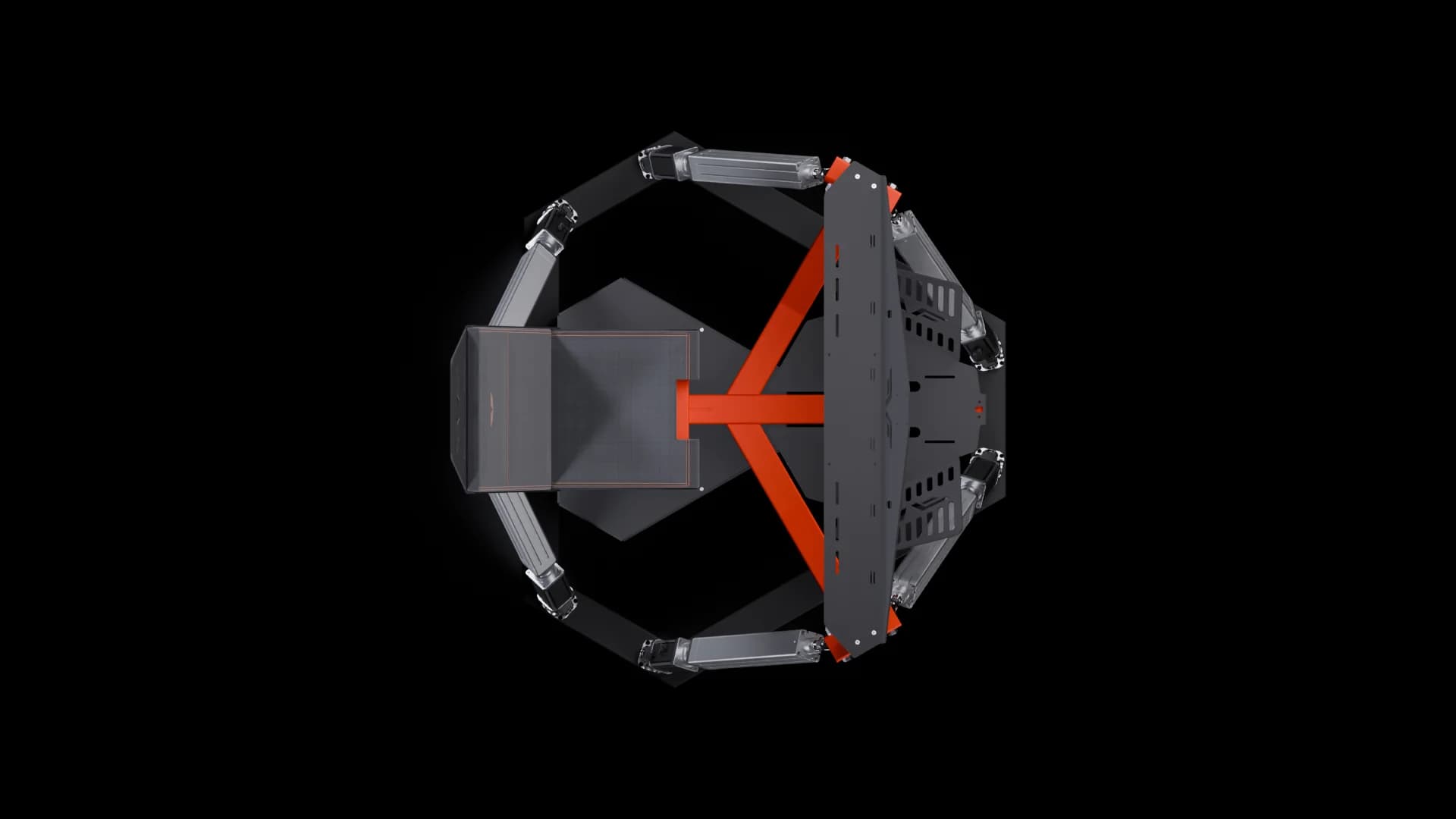
Your VXR-7