
Sailplane Flight School
The operational anchor for modern soaring.
In a glider school the bottleneck is not the aircraft but the tow plane, the launch crew and the weather, and with no go-around every landing puts the airframe at risk. The VXR-7 protects the fleet, frees the tow line and keeps students current between seasons.
Protect the hull
A mistake on final often means an off-field landing or a ground loop, then repairs and downtime. Move the flare and touchdown, the most dangerous part of the learning curve, onto the motion platform, where the Debrief Portal measures every landing. Fewer hard landings mean lower maintenance costs and more aircraft on the line.
Free the tow line
A student who spends thirty minutes of a flight on basic control ties up the tow plane and keeps others on the ground. One simulator hour costs a fraction of a tow flight. Shift basic maneuvers, cable breaks and first circuits to the simulator, and the launch line takes more students a day without another tow plane or crew.
Ready for the first thermal
When the soaring weather finally comes it is a race against time, and students have lost their edge over the winter. On the VXR-7 they stay current through the off-season and bad weather, so the first good day goes to soaring and the license comes sooner.
Your gliders, calibrated
Most glider schools train with a basic fixed simulator or none at all. The VXR-7 can be calibrated to the gliders in your fleet, so you can tell students you prepare them for the aircraft they will fly.
Powered vs sailplane school
Primary goal
Powered flight school
Increase throughput and margins.
Sailplane school
Reduce hull risk and tow-line bottlenecks.
Motion value
Powered flight school
Better feel for turns and climbs.
Sailplane school
Essential for landing precision.
Risk focus
Powered flight school
Safe environment for errors.
Sailplane school
Preventing ground loops and cable accidents.
Operational fix
Powered flight school
Free up aircraft slots.
Sailplane school
Make the most of limited soaring weather.
Competitive edge
Powered flight school
A modern facility.
Sailplane school
Type-specific soaring preparation.
Glider types fly on Condor 3, and each is calibrated flight state by flight state, together with a pilot who flies it.
“A single ground loop can mean thousands in repairs and weeks of downtime. Move the one-shot landing to the ground, depend less on the tow line, and keep your students current through the off-season.”
Read the full case
Running a glider school is fundamentally different from running a powered flight school: the primary bottleneck isn't aircraft availability, it's the coordination between the tow plane, the launch crew, and the weather. And because a glider has no engine for a go-around, every single landing is a high-risk event for the airframe. The VXR-7 protects your fleet from landing accidents, maximizes your tow-line efficiency, and ensures the good soaring weather is spent soaring, not struggling with basics.
Asset protection & risk mitigation
In sailplane training, a mistake on final approach often results in an off-field landing or a ground loop. For a school owner, that means expensive repairs and aircraft downtime.
Move the most dangerous part of the learning curve, the landing flare and touchdown, from your fragile airframes to the motion platform. The Debrief Portal analyzes touchdown rates and flares, so students perfect their landing precision in a zero-risk environment. Fewer hard landings translate directly into lower maintenance costs and higher aircraft availability.
Maximizing operational throughput
The tow plane and launch crew are the heart of the school's operation. When a student spends thirty minutes of a flight struggling with basic control or recovery, they are tying up the tow plane and blocking other students from launching.
Stop using your tow-line for repetition and use it only for soaring. One simulator hour is a fraction of the cost of a tow flight: shift basic maneuvers, emergency procedures like cable breaks, and initial landing patterns to the VXR-7 and you free up slots on the launch line, processing more students per day without adding tow planes or crews.
The all-weather academy
Glider schools are at the mercy of the weather. When the soaring weather finally comes it is a race against time, and instructors waste these prime windows teaching basic aircraft control because students decayed during the off-season.
Be ready for the first thermal of the season. Students keep their muscle memory active through winter and bad weather, so when the soaring window opens they are already current. Student satisfaction rises and the time it takes to reach their license falls.
Prestige & market differentiation
Most glider schools rely on basic fixed simulators, or on no simulation at all. A Swiss-engineered, six-degree-of-freedom motion platform is a massive competitive advantage that attracts high-value students.
Become the premier soaring center in your region with technology that mirrors the visceral feel of flight. With bespoke customization the VXR-7 offers a digital twin that can be calibrated specifically to the gliders in your fleet, so you can say you prepare students for your specific aircraft with high-fidelity motion simulation. That builds an elite brand image and justifies premium pricing.
“A single ground loop can cost you thousands in repairs and weeks of aircraft downtime. Why risk your fleet on basic landing repetitions? With the VXR-7, you move the highest-risk part of sailplane training, the one-shot landing, into a zero-risk environment. Reduce your dependence on tow-line availability, maintain student proficiency through the off-season, and protect your assets with Swiss precision. It's not just a simulator; it's an operational force multiplier for your school.”
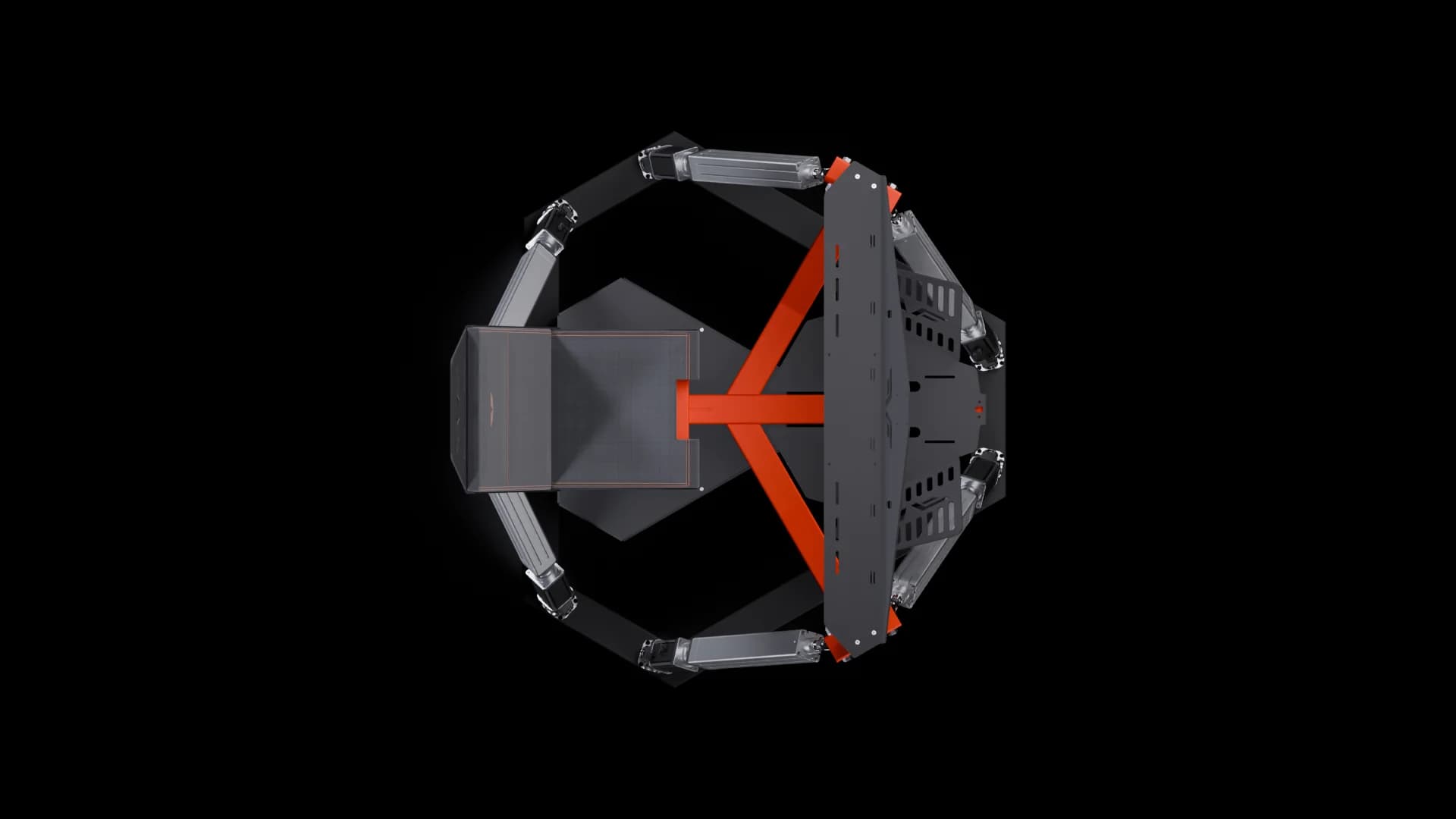
Your VXR-7