
Sailplane Instructor
The precision tool for pure flight.
Your students have no engine to save a bad final, the tow is over in seconds, and when the air is finally good you want them soaring, not fighting the basics. On the VXR-7 they practice the landing and the emergencies before you hook up to the tow plane.
The one-shot landing
In a sailplane there is no go-around. Coming in too low or botching the flare ends in the field, often with a ground loop or damage. Six-axis motion gives your students the sink and lift along the glide path, and the Debrief Portal lays their touchdown rate and flare timing over the target.
Cable breaks as a routine
The tow climb is a busy phase, and a cable break there is too risky to rehearse. From the Instructor Station you break the cable or upset the air during the climb: the student feels the jolt and the attitude change, and drills the recovery until it is instinctive.
Feel the thermal
Soaring means sensing small changes in lift and bank, and on a fixed simulator you feel none of them. Motion and the seat reproduce the pull of a steep bank into a thermal and the drop of sinking air, so students center thermals better once aloft.
Save the lift for soaring
Prime weather is too good to spend on basics. Students master control, scanning and emergency procedures on the ground and arrive current, so your tow plane and launch crew work for soaring technique.
Powered vs sailplane
Landing focus
Powered flight instructor
Learn to land and go around.
Sailplane instructor
Master the precision of a one-shot landing.
Emergency focus
Powered flight instructor
Engine failure, systems malfunction.
Sailplane instructor
Tow-cable breaks and sudden sink.
Motion value
Powered flight instructor
Feel turns, climbs and descents.
Sailplane instructor
Sensing bank angles and thermal inertia.
Efficiency
Powered flight instructor
Reduce fuel costs and repetitions.
Sailplane instructor
Make the most of limited soaring windows.
Risk focus
Powered flight instructor
General safety, standardization.
Sailplane instructor
Preventing ground loops and tow accidents.
Glider types fly on Condor 3, and each is calibrated flight state by flight state, together with a pilot who flies it.
“The critical moments in gliding happen in seconds: the cable break, the final flare, the sudden sink. Give your students the feel, and the proof of their progress, before they ever leave the ground.”
Read the full case
Glider instructors face a unique challenge: their students have no engine to bail them out if they make a mistake on final approach, and the most dangerous part of the flight, the tow, happens in a matter of seconds. Soaring is also highly weather-dependent: when the air is finally good for soaring, you want your students focused on soaring, not struggling with basic aircraft control or landing anxiety. The VXR-7 eliminates student anxiety, masters the high-risk emergency procedures, and perfects the one-shot landing, all before you hook up to the tow plane.
Mastering the one-shot landing
In a sailplane there is no go-around. If a student misses the glide slope or botches the flare, they are landing in the field, which often leads to ground loops or structural damage.
Stop risking your airframe on basic landing repetitions. The Debrief Portal provides objective, data-driven feedback on touchdown rates and flare timing, and because the VXR-7 delivers a visceral sense of sink and lift through its six-degree-of-freedom motion, students develop an intuitive feel for the glide path. You move from subjective advice, ‘You're too low,’ to objective proof: the student's flight profile against the target.
Safe training for high-risk events
The tow climb is a high-workload phase where things can go wrong quickly: cable breaks, sudden turbulence. Practicing these in the air is stressful and potentially dangerous.
Turn scary scenarios into routine procedures through safe repetition. From the Instructor Station you trigger a cable break or sudden atmospheric instability during the climb: the student experiences the physical jolt and the attitude change, and practices the correct recovery sequence until it is instinctive. That reduces pilot panic during real-world emergencies.
Seat-of-the-pants intuition in thermals
Soaring is an art of sensing subtle changes in lift and bank. Fixed simulators fail here because they don't provide the physical feel of banking into a thermal.
Teach students to feel the air, not just look at the instruments. The seat and high-precision motion let the VXR-7 replicate the centrifugal forces of a steep bank into a thermal or the sudden drop of sinking air. Students internalize the physical sensations of soaring, which makes them more effective at centering thermals once they are aloft.
Maximizing soaring hours
Glider instructors hate wasting prime soaring weather on basic maneuvers that could have been learned on the ground.
Stop using your tow plane and launch crew to teach basics: use them for advanced soaring. As a pre-flight proficiency tool, the VXR-7 lets students master aircraft control, scanning, and emergency procedures on the ground, so they arrive at the airfield current. Fewer repetitions are needed in the air, and the lesson becomes soaring technique rather than basic flight mechanics.
“You know that the most critical moments in gliding happen in seconds: the cable break, the final flare, the sudden sink. Why leave those reactions to chance? With the VXR-7, you can give your students the visceral experience of flight and the data-backed proof of their progress before they ever leave the ground. Stop wasting prime lift on basic repetitions, use the VXR-7 to build a confident, precise pilot who is ready for the sky.”
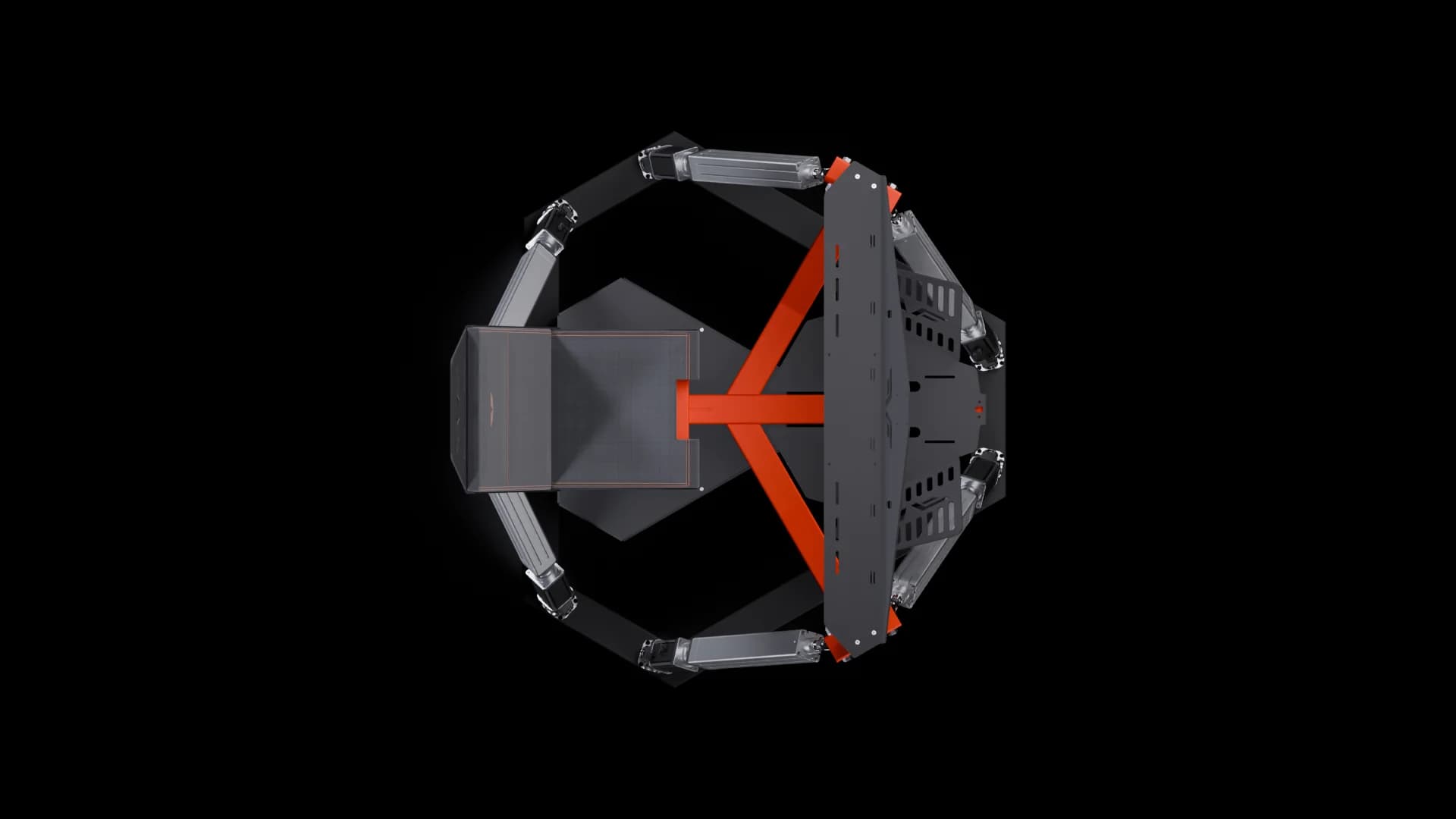
Your VXR-7